
corrosion protectionISO 12944coatingsoffshoregalvanizing
Corrosion Protection for Coastal and Offshore Steel: Reading an ISO 12944 Specification
The Gulf combines salt, humidity, heat and UV — one of the more aggressive environments steel can sit in. ISO 12944 is the language coating specifications are written in. Here is how to read one.
Al Saqr Al Ahmar Welding and Blacksmith LLC4 min read
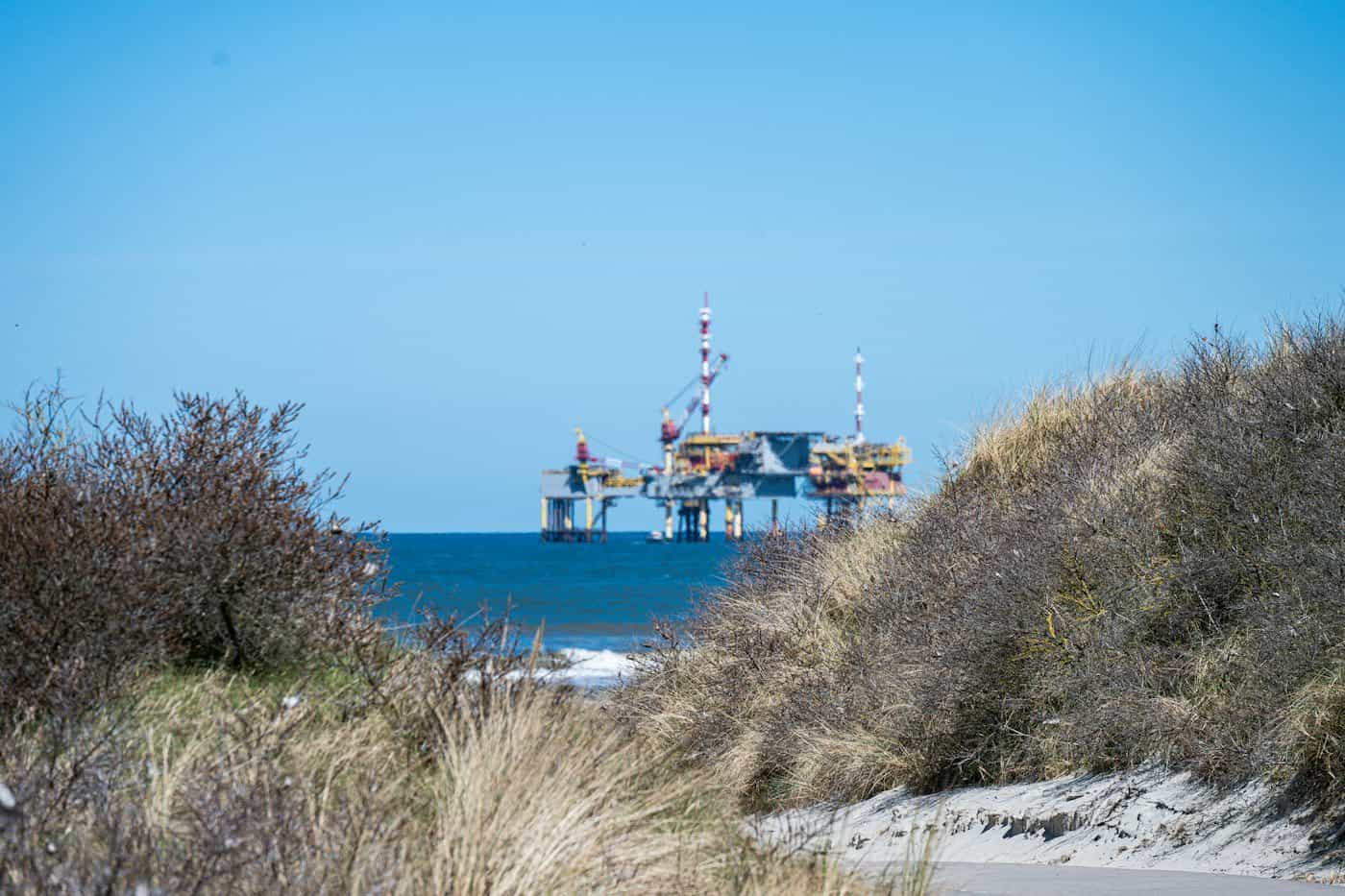
Steel in the Gulf faces an unusually hostile combination: airborne chloride from the sea, high humidity, sustained heat, strong UV, and — on process facilities — the occasional chemical exposure. A coating system that performs for fifteen years in a temperate inland climate can fail in a fraction of that time on a coastal site in Abu Dhabi.
ISO 12944 is the standard that most coating specifications are written against. Reading one properly takes about five minutes once you know the four variables it turns on.
1. Corrosivity category
ISO 12944 classifies environments from C1 (heated interiors, very low) through to CX (extreme — offshore with high salinity, or industrial areas with extreme humidity and aggressive atmosphere). Between them sit C2 (low, rural), C3 (medium, urban and coastal with low salinity), C4 (high, industrial and coastal with moderate salinity) and C5 (very high).
Most UAE coastal construction sits in C4 or C5. Offshore and splash zone conditions push into CX. Specifying a C3 system for a coastal site is a common and expensive error — the system is simply under-specified for the chloride load.
There are also separate categories for steel immersed or buried: Im1 (fresh water), Im2 (sea or brackish water), Im3 (soil), Im4 (immersed with cathodic protection).
2. Durability range
Durability is the expected time to first major maintenance, not the design life of the structure:
- Low: up to 7 years
- Medium: 7 to 15 years
- High: 15 to 25 years
- Very high: more than 25 years
A specification reading "C5-High" therefore means a system expected to reach first maintenance at 15 to 25 years in a very high corrosivity environment. It is not a warranty; it is a design expectation tied to correct application and maintenance.
3. Surface preparation
This is where most coating failures are actually born. Coating performance depends more on what happens before the first coat than on the coat itself.
- Blast cleaning grades: Sa 2½ (very thorough blast cleaning) is the common requirement for high-durability systems; Sa 3 (blast cleaning to visually clean steel) for the most demanding.
- Surface profile: an anchor pattern is specified, typically measured in microns, because too smooth gives poor adhesion and too coarse leaves peaks the coating cannot cover.
- Soluble salts: critical in coastal work. Chloride contamination left on the surface draws moisture through the coating and drives blistering. Testing to a defined limit should be specified, not assumed.
- Edges and welds: sharp edges hold almost no paint film. Edge rounding and the removal of weld spatter are explicit requirements in serious specifications.
- Climate control: blasting and coating are prohibited when the steel temperature is within 3 °C of the dew point. In Gulf humidity this restricts working windows — a real programme factor.
4. The coating system
A system is specified as a stack, with a generic binder type and a nominal dry film thickness per coat:
- Zinc-rich epoxy primer — the sacrificial workhorse for aggressive environments.
- Epoxy intermediate / build coat — provides barrier thickness.
- Polyurethane or polysiloxane topcoat — colour and, importantly, UV resistance. Epoxies chalk badly in Gulf sunlight, so an exposed epoxy topcoat is a specification error.
Hot dip galvanizing to ISO 1461 is an alternative or a base layer, and performs well in C4/C5 — but it needs vent and drain holes designed into hollow sections, and a duplex system (galvanize plus paint) requires proper surface treatment of the zinc for the paint to adhere.
Verification: the numbers that matter
Ask for these records, and they should be issued as part of the handover pack:
- Ambient conditions log — air and steel temperature, relative humidity, dew point — at each coating session.
- Surface preparation records, including blast grade, profile readings and soluble salt test results.
- Wet film and dry film thickness readings against the specified minimum, maximum and nominal.
- Adhesion testing on a defined sampling basis.
- Holiday / pinhole detection where specified, particularly for immersed service.
- Batch numbers and shelf-life confirmation for every product used.
Practical guidance for procurement
- Do not let the coating be a line item priced "as per spec". Ask which system, by generic type and DFT, and have it compared against the corrosivity category.
- Protect the coating in transit. Packing, separation and lifting method belong in the fabrication scope, not in a site argument afterwards.
- Budget for touch-up. Erection damages coatings. A documented repair procedure using compatible materials should exist before the first delivery leaves the yard.
- Check compatibility with fire protection where both apply — see fire protection for structural steel.
Al Saqr Al Ahmar fabricates structural steel, stainless steel and DNV-rated items for onshore and offshore facilities across the UAE, including coastal and marine exposure. See recent projects or request a quote.
Keep reading
More from the blog
21 October 2026 · 4 min read
Steel Structure Cost in the UAE: 9 Factors That Decide Your Quotation
What drives the price of a steel building in the UAE, and how to compare fabrication quotations fairly.
21 October 2026 · 1 min read
Pipeline Welding for Onshore and Offshore Oil & Gas: An Overview
A look at what pipeline welding scopes typically involve — components, supports, clamps and pipe racks — and why fabrication quality matters for oil & gas facilities.
21 October 2026 · 1 min read
Why ISO 9001, 14001, 45001 and ADNOC ICV Certification Matter When You Hire a Fabricator
What ISO 9001, ISO 14001, ISO 45001 and ADNOC ICV certification actually verify — and why they should be on your fabricator shortlist checklist.